
Why Website Security Is Now a Marketing Advantage for SMEs

Key Takeaways
- Website security affects trust, enquiries, SEO, and brand confidence, not just backend operations.
- Customers may hesitate if a website looks unsafe, outdated, or poorly maintained.
- Secure forms and responsible data handling are part of a good customer experience.
- Security issues can damage search visibility and brand reputation if left unaddressed.
- A maintenance plan after launch keeps the website secure, accurate, and reliable over time.
Website security is often treated as an IT issue, but customers experience it as a trust issue. If a website shows browser warnings, has broken forms, looks outdated, or loads strangely, visitors may wonder whether the business is careful enough to handle their enquiry.
For SMEs, this matters because trust is built in small moments. A customer may not understand technical security details, but they can sense when something feels off. They may also be more cautious when sharing personal details through a contact form, booking page, or online payment flow.
Good corporate website design services should think about security as part of the overall website experience. A secure website does not only protect data. It also helps your brand feel dependable, professional, and ready to do business.
Security also shapes how a company feels online. A carefully maintained website suggests that the business is attentive and organised. A neglected site can send the opposite message, even when the team behind the business is capable and experienced.
Build security into the website from the start
Security starts with the basics. Your website should use HTTPS, reliable hosting, updated software, strong passwords, controlled user access, and sensible backup processes. These may sound technical, but they affect the everyday reliability of the site.
When these basics are ignored, small issues can become business problems. A plugin that is not updated can create risk. A weak admin password can expose the site. A missing backup can turn a simple incident into a lengthy recovery. For a busy SME, these are not the kind of surprises anyone wants.
A responsible web development company should explain these foundations clearly, without overwhelming the business owner. The goal is not to make every founder become technical. The goal is to make sure the website is built and managed with sensible protection from the start.
Backups are a good example of a security habit that business owners appreciate only when something goes wrong. If a website breaks after an update or an accidental change, a recent backup can make recovery much easier. Without one, the business may lose time, content, and customer confidence.
Design forms with privacy in mind
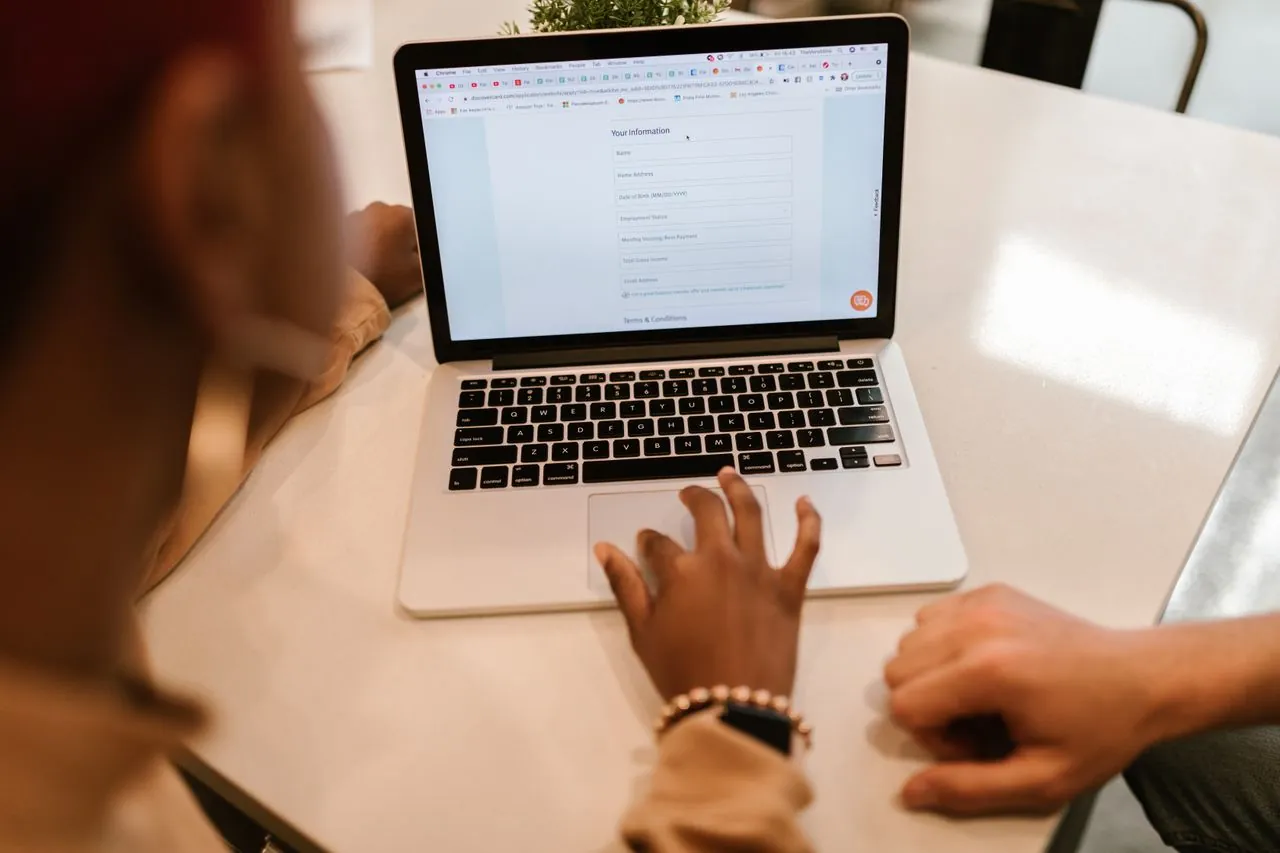
Contact forms, enquiry forms, newsletter sign-ups, and booking forms all collect information from people. This means they should be designed carefully. Asking for too much too early can make visitors uncomfortable, while unclear forms can make people wonder how their details will be used.
A privacy-friendly form asks only for what the business needs for the next step. It also gives users enough context to understand why the information is being collected. A short note near the form can explain that the details will be used to respond to the enquiry.
When looking at website design services in Singapore, SMEs should ask how forms will be handled, where submissions go, and who can access them. This is not only about compliance. It is also about showing customers that your business treats their information responsibly.
Privacy-friendly design also means being thoughtful about third-party tools. Chat widgets, analytics platforms, newsletter tools, and booking systems can all handle user information in different ways. SMEs should know which tools are used on the website and whether each one is still needed.
Protect your SEO and brand reputation
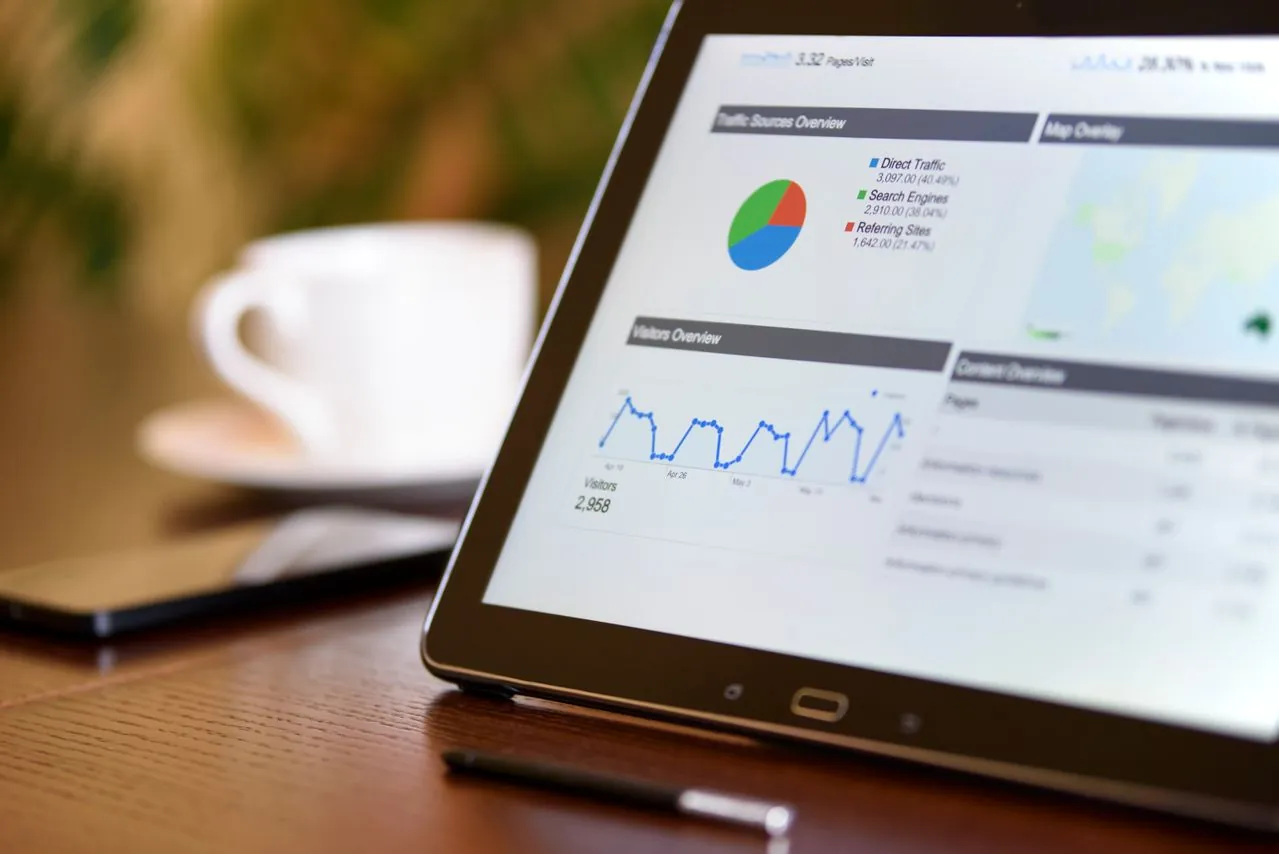
Security issues can affect more than the backend of a website. A site that is hacked, marked unsafe, or filled with spam pages can damage customer trust quickly. Even after the problem is fixed, the brand impact can take time to repair.
Website downtime is another concern. If customers cannot access your service pages or submit an enquiry, the business may miss opportunities that never return. For SMEs that depend on leads from search, referrals, or campaigns, website reliability is part of the marketing engine.
This is why security should not be separated from marketing. The website is where many campaigns, referrals, and search visits eventually land. If that landing point is unreliable, even strong digital marketing may struggle to produce results.
Reputation risk is especially significant for businesses that rely on referrals. A prospect who receives your website link from a trusted contact expects the experience to match that recommendation. If the site feels unsafe or poorly maintained, that trust can weaken before your team has a chance to speak.
Keep the website healthy with a maintenance plan
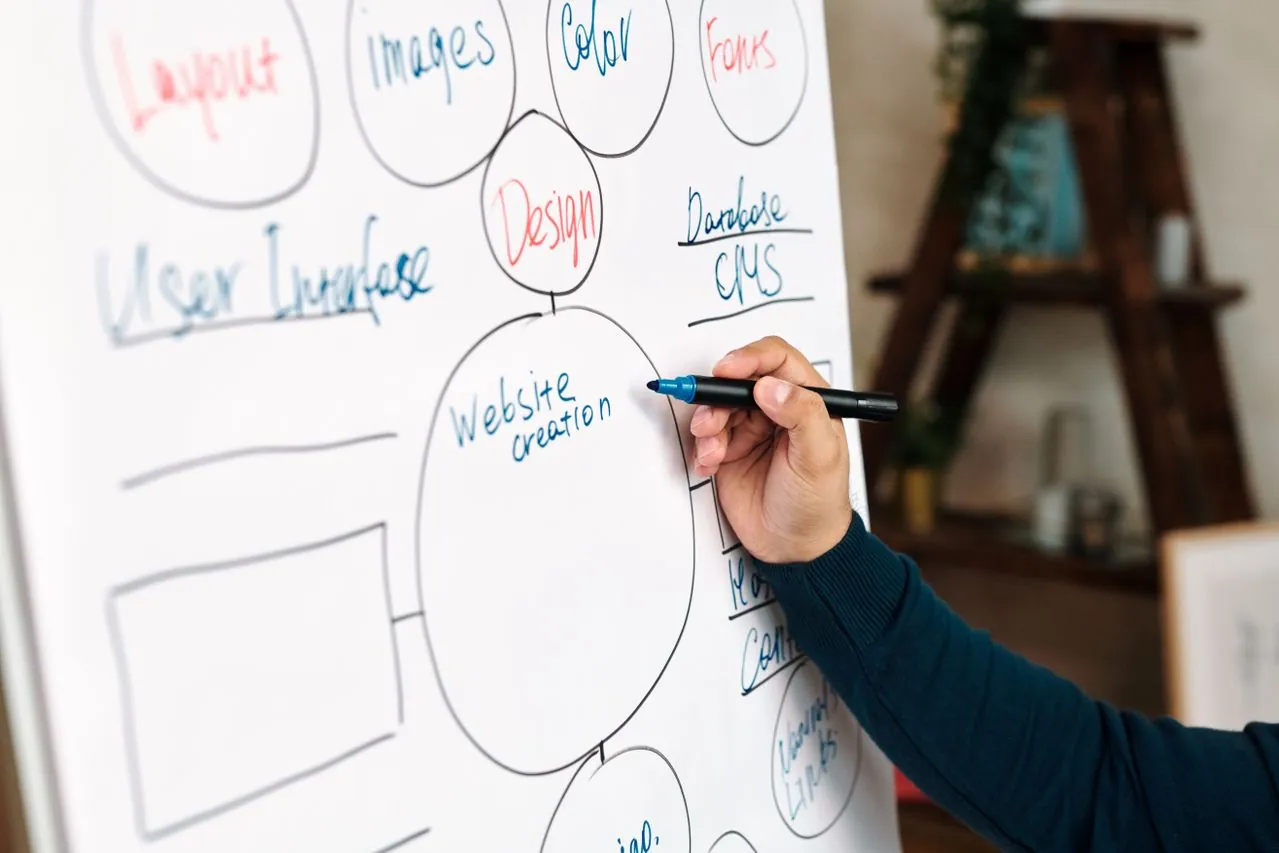
Many SMEs put a lot of effort into launching a new website and then forget about maintenance. Over time, content becomes outdated, software needs updates, old plugins create risk, and forms may stop working properly. The site may still look fine on the surface, but the experience can slowly decline.
Maintenance does not need to be complicated. It can include regular updates, backups, security checks, performance reviews, broken link checks, form testing, and content reviews. These small habits help the website stay healthy and useful over time.
Maintenance can also include content accuracy. Outdated phone numbers, old staff names, inactive promotions, or expired certifications may not be security issues, but they still reduce confidence. A proper maintenance habit should cover both technical health and business accuracy.
A maintenance plan can be simple at first. Decide who checks forms each month, who reviews content each quarter, and who handles technical updates. The important thing is that responsibility is clear, because vague ownership is how small website issues get ignored for too long.
Conclusion
Website security is not only about avoiding technical problems. It is about protecting customer trust. For SMEs, a secure and well-maintained website can make the business feel more reliable, especially when customers are deciding whether to share their details or start a conversation.
The best approach is to build security into the website from the start and keep it going after launch. Secure hosting, privacy-friendly forms, regular updates, and backups all support the same goal: making customers feel safe enough to engage with your business.
Want a website that is secure, well-maintained, and built to support customer trust? BlueCube Media offers web development and maintenance services for Singapore SMEs. Contact us to learn more.
FAQs for Website Security for SMEs
Why does website security matter for SMEs?
Website security matters because it protects customer trust, business reputation, enquiry forms, website uptime, and search visibility. A weak or unsafe website can make potential customers hesitate before making contact.
What are the basic security features every website should have?
Every business website should have HTTPS, reliable hosting, strong admin passwords, controlled user access, regular software updates, backups, and working contact forms.
Can website security affect marketing?
Yes. If a website is unsafe, slow, hacked, or unreliable, marketing campaigns may not convert well because visitors may lose confidence before they enquire.
How often should a website be maintained?
Most SME websites should be reviewed regularly, with software updates, backups, security checks, performance checks, and form testing scheduled at sensible intervals throughout the year.
Should website security be included in a website design project?
Yes. Security should be considered during planning, development, launch, and maintenance. It should not be treated as a later technical fix.
What happens if a website is hacked?
A hacked website can display unwanted content, expose customer data, get flagged by search engines, and damage brand reputation. Recovery can take time and resources, which is why preventive measures and regular backups are worth building in from the start.