
Inside a Singapore Web Design Agency: Our Web Design and Development Process Explained

Key Takeaways
- Great web design starts with understanding your brand, goals, and audience before any creative work begins.
- Competitor analysis and strategic planning shape design direction and prevent costly revisions down the line.
- Development involves far more than coding — testing, quality assurance, and security checks happen before anything goes live.\
- Post-launch support is an ongoing commitment, not an afterthought.
- The best web design and development partnerships in Singapore are built on consistent collaboration at every stage.
When most people think about building a website, they picture the end result: a clean homepage, a services page, maybe an enquiry form. What happens in between — the research, the planning, the testing, the iteration — tends to stay invisible. But that process is exactly where the quality of a website is determined.
At BlueCube Media, our approach to web design and development in Singapore is built on a structured, collaborative process that puts your business goals at the centre of every decision. This article walks you through what that looks like in practice, from the very first conversation to the support we provide long after your site is live.
1. Understanding Your Brand, Not Just Your Brief

A brief tells us what a client wants. Discovery tells us what their business needs. These are not always the same thing, and the gap between them is where projects tend to go wrong.
Before any design work begins, we invest time in understanding your brand at a deeper level. This means looking beyond the immediate request to ask more fundamental questions, like:
- Who is your target audience, and what do they need from your site?
- What does your brand stand for, and how is that currently reflected online?
- Where are the gaps between how you present yourself and how your customers perceive you?
This discovery phase also involves reviewing your existing digital presence, understanding your sales process, and identifying what a successful website would look like from a business outcome perspective. For some clients, success means more enquiry form submissions. For others, it is cleaner product presentation or stronger credibility signalling for enterprise buyers.
Getting clarity on these goals upfront means every subsequent decision, such as layout, content, functionality, is grounded in something real. It also significantly reduces the risk of expensive revisions later, because the team and the client are aligned before a single design is produced.
2. Strategic Planning, Research, and Design
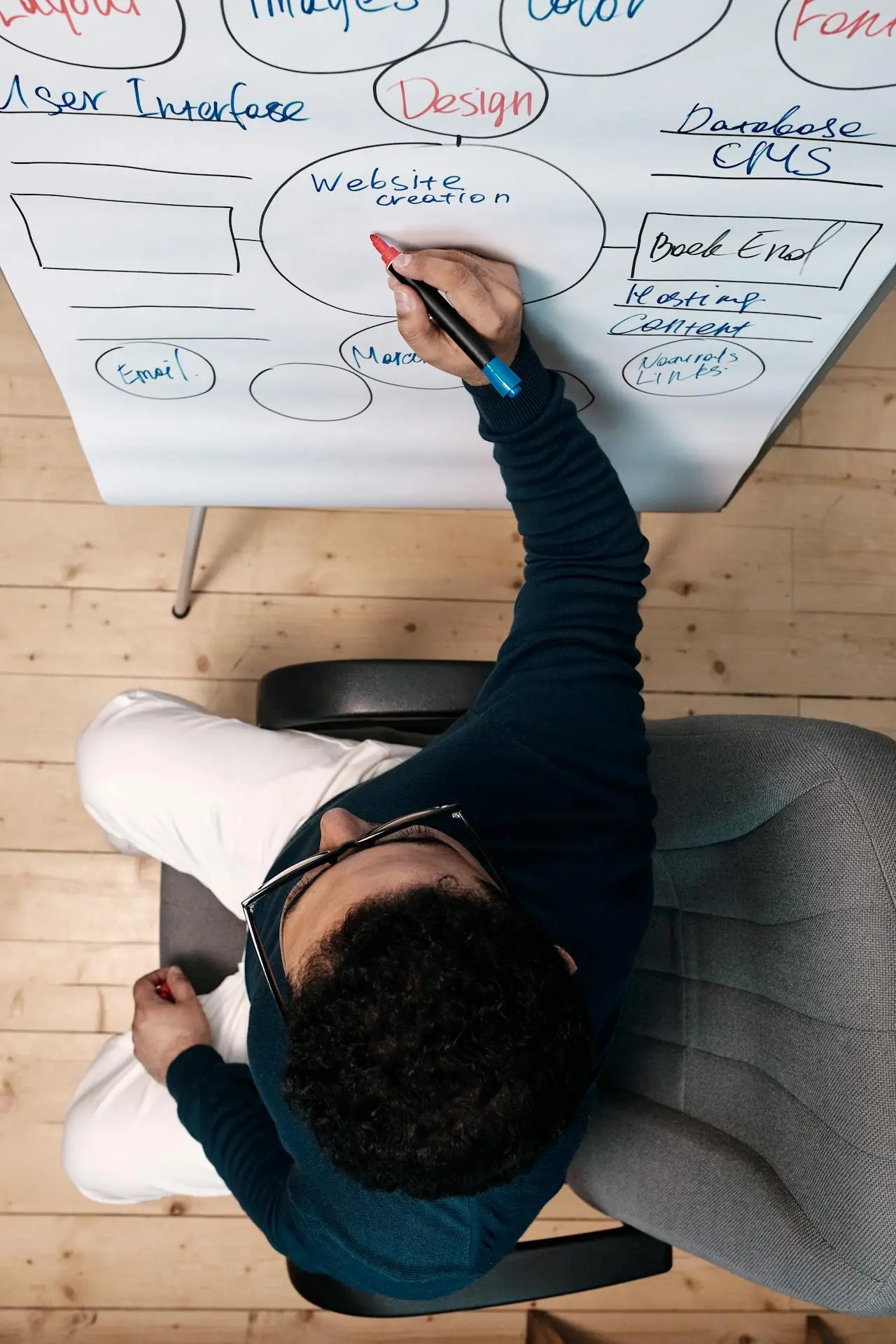
With a clear understanding of your brand and goals, the next phase moves into research and strategic planning. This is where we look outward before committing to a creative direction.
Competitor analysis plays a significant role here. We review how other businesses in your space are presenting themselves online: what they are doing well, where they are falling short, and where there is an opportunity for your brand to stand apart. This is not about imitation. It is about making informed design decisions rather than purely aesthetic ones.
This is also where website redesign projects often begin to take shape. If your current site no longer reflects your brand or is losing you visitors, our breakdown of 4 key UI/UX best practices for your website revamp is a good place to start.
From there, we develop a site architecture: a structured map of how your pages will be organised, how users will navigate between them, and what content belongs where. For businesses investing in web design and development in Singapore, this planning step is particularly important. A well-structured site supports both user experience and search engine visibility from the ground up.
The design phase is built around feedback. We start with wireframes — basic layouts that map out structure before any visual design begins — so you can review and comment early, when changes are easy to make. From there, we refine and build up to the final design together, with regular check-ins along the way rather than one big reveal at the end.
Typography, colour, imagery style, and interaction patterns are all considered in relation to your brand identity and target audience. The goal is not a site that looks generically modern. It is a site that looks and feels distinctly like your business.
3. Development, Testing, and Quality Assurance
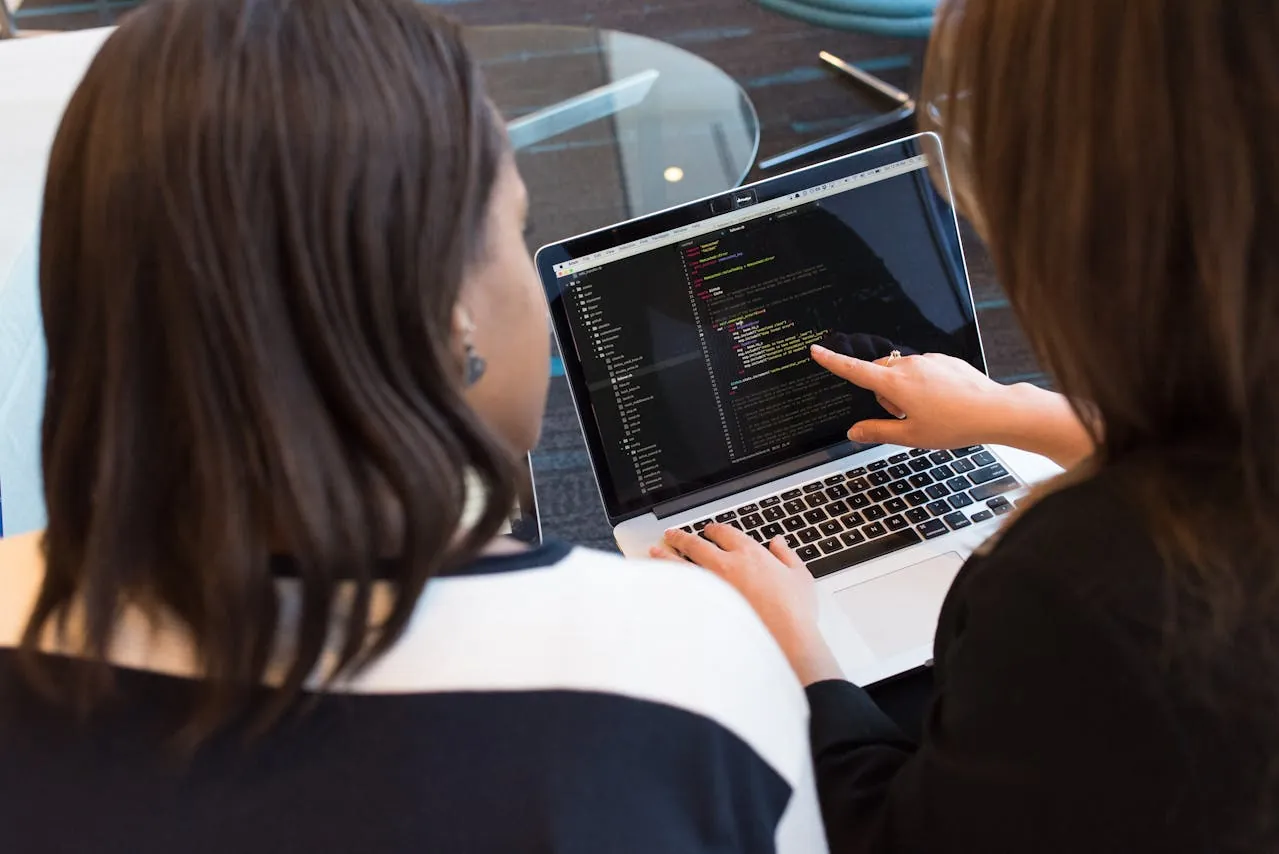
Once designs are approved, web development begins. This is the phase that tends to be least visible to clients, but it is where a significant portion of the project’s quality is determined.
Our web development work covers the full build: translating approved designs into a functioning website, integrating any required third-party tools such as CRM systems, booking platforms, payment gateways, and analytics, and ensuring the site performs well across devices and browsers. Mobile-first web design and development is not optional; it is built into the process from the start, given how much of web traffic in Singapore and the region originates from mobile devices.
Security is also addressed at the development stage, not added as a last-minute consideration. Our website security approach includes setting up SSL certificates, configuring appropriate access controls, and building in the technical foundations that protect both the site and its users.
Before any website goes live, it goes through a structured quality assurance process. This covers functional testing to ensure every link, form, and interactive element works as intended, as well as performance testing to confirm that page load speeds meet acceptable standards. We also test across a range of devices and screen sizes to catch any layout or usability issues that only surface in specific environments.
This testing phase is where the difference between a professionally built site and a rushed one becomes most apparent. Issues that are easy to resolve in development become significantly more costly to fix once a site is live and indexed.
4. Post-Launch Support

Website launch and going live is not the finish line. It is the point at which a website moves from a controlled environment into the real world, and where a new set of considerations comes into play.
At BlueCube Media, post-launch support is a deliberate part of our service offering, not an add-on or an afterthought. In the period immediately following launch, we monitor the site closely for any issues that may not have surfaced during testing, including unexpected behaviour in live conditions, third-party integration errors, or performance dips under real traffic loads.
Beyond the immediate post-launch window, we provide scheduled maintenance and ongoing support to keep your site secure, up to date, and performing well over time. This includes regular website security updates, plugin and platform maintenance, and performance enhancements as your business grows or your needs change.
For many clients, the relationship extends further. As a full-service web design and development partner in Singapore, we support clients through site expansions, content updates, and integrations with new tools as their business evolves. A strong website also works in tandem with your broader digital marketing strategy, and we are equipped to support both. A website built well should grow with you, and our role does not end simply because the build is complete.
The businesses that get the most from their websites over the long term are those that treat the site as a living asset requiring ongoing attention rather than a one-time project. That is the perspective we bring to every engagement.
Conclusion
A well-built website is the result of a deliberate, structured process that starts with understanding your business deeply and does not end when the site goes live. Every phase, from discovery and design to development, testing, and post-launch support, plays a role in determining how well your site performs for your business.
If you would like to see the kind of work we deliver, take a look at our portfolio. And if you are planning a new site or considering a redesign, we would be glad to walk you through what the right approach looks like for your business. Get in touch with our team to start the conversation.
Frequently Asked Questions for Web Design and Development
1. How long does a web design and development project take in Singapore?
Most projects take between 4 to 12 weeks depending on scope and complexity. A simple corporate website typically falls at the shorter end, while a site with custom functionality, e-commerce, or multiple integrations will take longer. We provide a clear timeline at the start of every project.
2. What information do I need to prepare before starting a web project?
The more context you can share upfront, the better. Useful inputs include your brand guidelines, a description of your target audience, examples of websites you like or dislike, and a clear list of pages and functionality you need. We will guide you through the rest during discovery.
3. Do you redesign existing websites, or only build from scratch?
We do both. Whether you need a full rebuild or a strategic redesign of an existing site, our process begins the same way: with a thorough understanding of your goals and what is and is not working currently.
4. Will my website be mobile-friendly?
Yes. Mobile responsiveness is built into our development process from the start, not added at the end. Every site we build is tested across devices and screen sizes before launch.
5. What happens if something goes wrong after the site launches?
We provide post-launch support and monitoring to address any issues that emerge in the live environment. Ongoing maintenance packages are also available to keep your site secure and up to date over time.
6. Can you integrate third-party tools into the website?
Yes. We regularly integrate CRM platforms, booking systems, payment gateways, analytics tools, and other third-party services. If you have a specific integration requirement, raise it early in the process so it can be planned into the build.