
How to Build a Website That Supports Sales, Marketing, and Customer Trust

Key Takeaways
- A business website should support more than branding — it should serve sales, marketing, and management.
- Sales teams need clear service pages, proof points, and shareable links that support conversations.
- Marketing teams need landing pages, tracking, content flexibility, and SEO-friendly structure.
- Trust signals help convert traffic that campaigns and referrals bring to the website.
- Measurement and analytics should be planned from the start, not added as an afterthought.
Many SMEs think of the website as a branding asset. That is true, but it should also support sales, marketing, customer service, recruitment, and management decisions. A good website is not only something people look at. It is something the business uses.
For a founder, this matters because a website can either make growth easier or create extra work. If service pages are unclear, sales teams have to explain the same basics repeatedly. If landing pages are hard to create, marketing campaigns move slowly. If trust signals are missing, customers hesitate before making contact.
The best corporate website design services look at the website as a business tool. The design should reflect the brand, but the structure should also support how the company sells, markets, and builds confidence with customers.
This matters because many SME websites are built one page at a time without a shared strategy. The homepage is written for branding, service pages are written for sales, the blog is written for SEO, and the contact page is treated as an afterthought. When these parts do not connect, the website is less helpful than it could be.
Give your sales team pages they can actually use

Sales teams need website pages they can confidently share with prospects. A clear service page can support a sales conversation by explaining the offer, process, benefits, and proof points before or after a meeting. This helps potential clients understand the business faster and arrive at conversations better prepared.
For SMEs, this can save real time. Instead of repeating the same explanations in every call, the sales team can direct prospects to useful pages that answer common questions. Case studies, FAQs, and industry examples can also help prospects feel more informed before making a decision.
This is why corporate website design services should involve more than the marketing team. Sales feedback can reveal what customers ask, where they hesitate, and what information helps them move forward. Those insights should shape the website content, not sit only in pitch decks and email threads.
Sales teams can also use the website to qualify conversations. If pages explain service scope, process, and common questions clearly, prospects arrive with a better understanding of what the business offers. This can make sales calls more focused and reduce time spent on mismatched enquiries.
Give your marketing team flexibility and structure
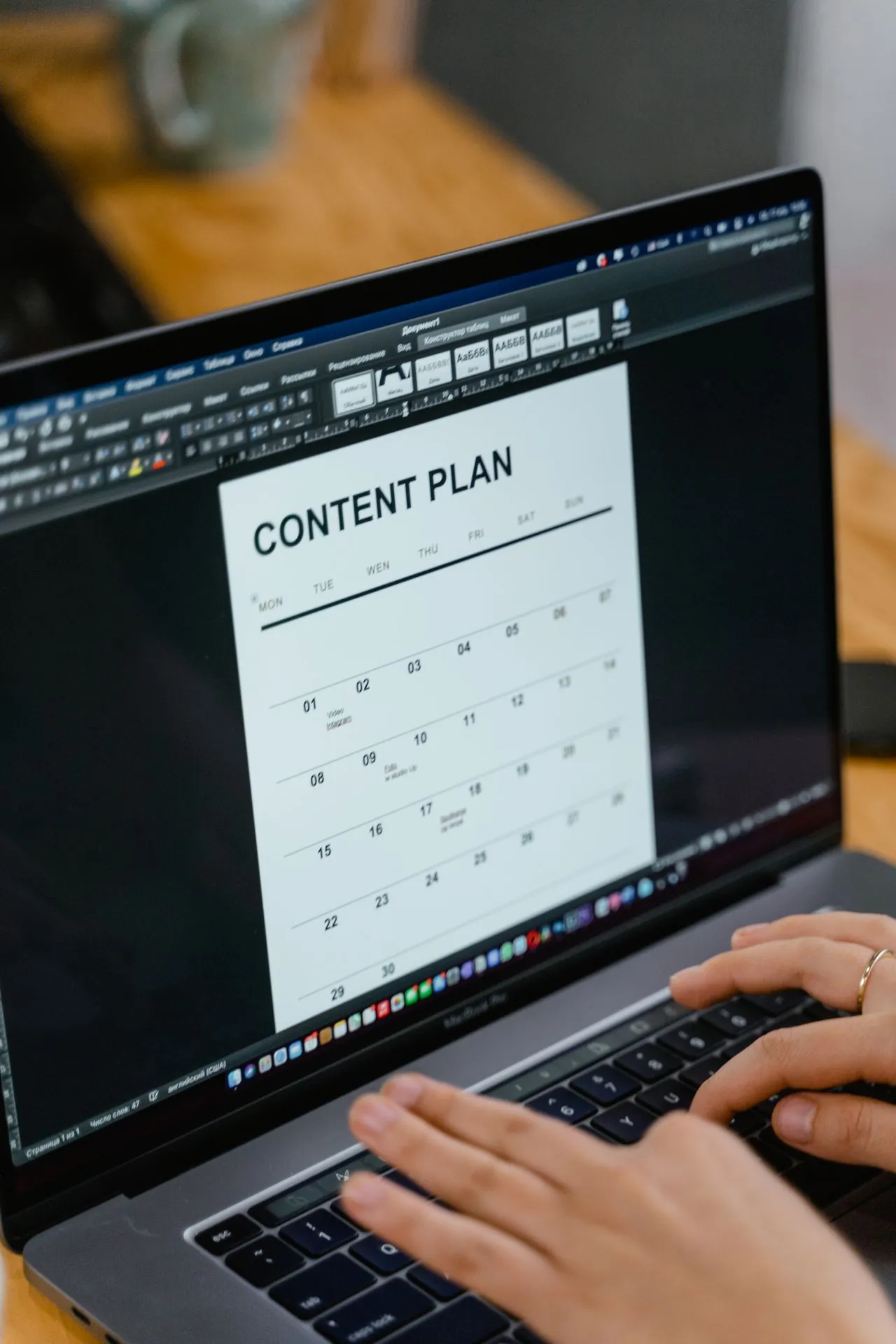
Marketing teams need flexibility. They may need to publish blog articles, create campaign landing pages, update service content, add new testimonials, or test different messages. If every change requires a long development cycle, the website becomes a bottleneck that slows campaigns down.
Good website design services should make content management easier without sacrificing design quality. This may include reusable page sections, clear CMS fields, flexible templates, and a structure that supports SEO from the start.
For SME owners, this flexibility matters because campaigns often need to move quickly. When the website is easy to update, your marketing team can respond faster to market opportunities, seasonal campaigns, new services, and customer feedback.
Marketing also benefits when the website has a clear content plan. Blog articles can support early research, service pages can support comparison, and case studies can support final decision-making. When these pieces are planned together, the website becomes more useful across the full buying journey.
Use trust signals to convert the traffic you already have
Traffic alone is not enough. If visitors arrive on your website but do not trust the business, they will not enquire. This is why digital marketing services and website design should work together. Campaigns may bring visitors in, but the website must convert that attention into confidence.
Trust signals include testimonials, case studies, client logos, awards, certifications, team profiles, clear contact details, and examples of work. These details give visitors reasons to believe that the business can deliver on what it promises.
Trust signals should be matched to the page context. A homepage may need broad credibility signals, while a service page may need proof specific to that service. A landing page may need a short testimonial or relevant client example placed near the enquiry form to reassure visitors just before they submit.
Use data to make better decisions

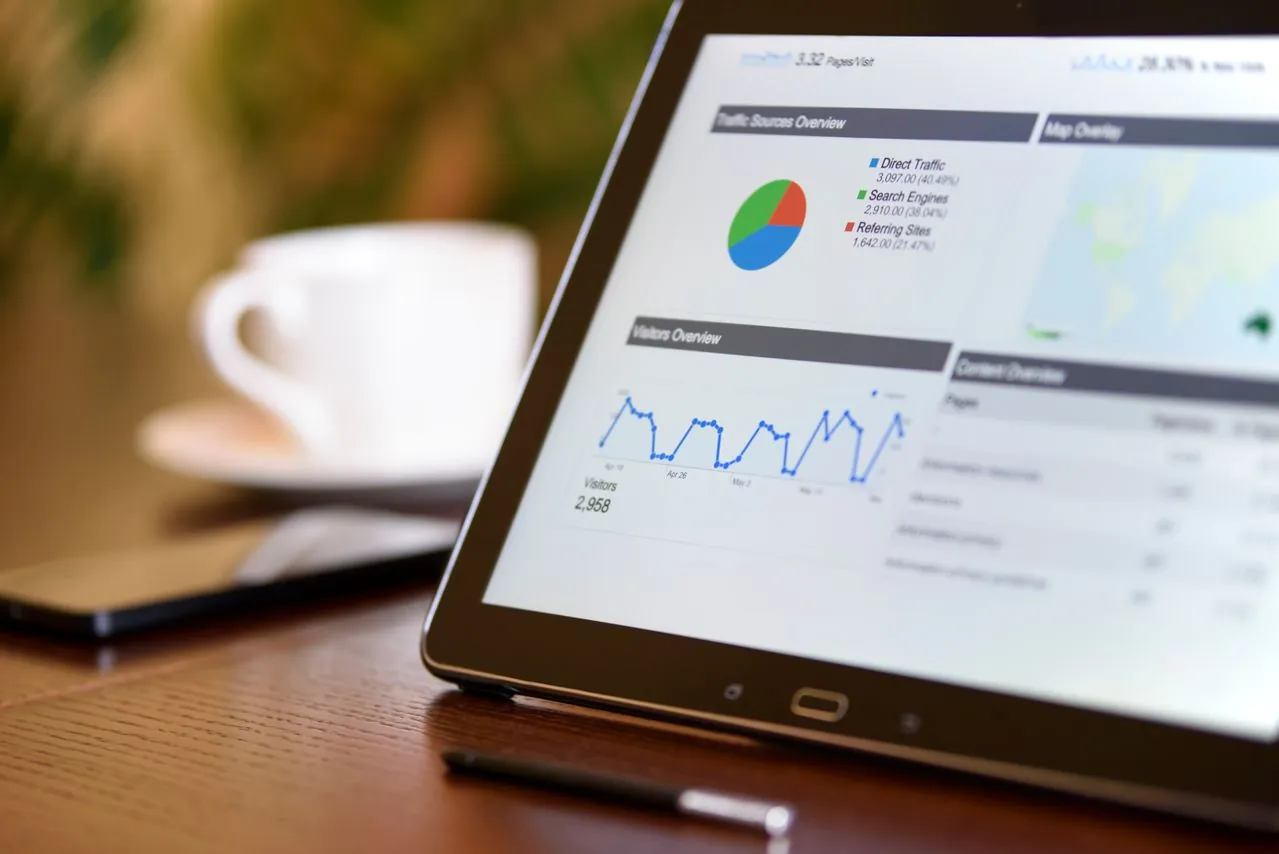
A website should also help management understand what is happening. Which pages are attracting visitors? Which services get the most enquiries? Which campaigns are producing leads? Where are people dropping off? Without tracking, these questions are answered by guesswork rather than data.
The website should be set up with analytics, conversion tracking, form tracking, and clear reporting where appropriate. This does not mean business owners need to review dashboards every day. It means important decisions can be based on patterns rather than assumptions.
A thoughtful web design and development process should plan measurement from the beginning. If the website supports sales, marketing, and trust, it should also help the business learn what is working and where improvement is needed.
Data should be used to guide improvement, not to overwhelm the team. A simple monthly review of top pages, enquiry sources, and conversion points can reveal where the website needs attention. The aim is to make better decisions, not create another reporting burden.
Conclusion
A strong business website does not belong to only one department. Sales needs it. Marketing needs it. Customers use it. Management learns from it. When the website is planned with these needs in mind, it becomes more useful than a simple online brochure.
For SMEs, the opportunity is to build a website that helps the whole business work better. A practical next step is to ask each team what they need from the website, then look for gaps in the current structure, content, and tracking. The answers can guide a more useful redesign or improvement plan.
Want a website that works as hard as your team does? BlueCube builds and improves SME websites with sales, marketing, and trust in mind. Contact us to start the conversation.
FAQs for Corporate Website Design Services in Singapore
How can a website support sales?
A website supports sales by providing clear service pages, proof points, FAQs, case studies, and shareable links that help prospects understand the business before or after a conversation.
How can a website support marketing?
A website supports marketing through SEO-friendly pages, blog content, landing pages, analytics, campaign tracking, and flexible content management tools.
Why are trust signals important?
Trust signals reduce hesitation by showing visitors that the business has experience, credibility, and a track record of delivery.
What should management track on a website?
Management can track traffic sources, popular pages, enquiry rates, campaign performance, form submissions, and user behaviour patterns to guide website improvements.
Should SMEs redesign websites around business goals?
Yes. A website redesign should be guided by business goals such as more enquiries, clearer positioning, better user experience, stronger trust signals, and easier content management.
Clear service pages, FAQs, case studies, and process explanations can answer common prospect questions before a call, allowing the sales team to spend more time on qualified conversations.