
Trends That Will Shape Digital Marketing in 2026

Digital marketing is constantly evolving, and as we approach 2026, companies that design websites and manage online strategies must stay ahead of the curve. Emerging technologies and shifting consumer behaviors are reshaping how brands connect with their audiences. From AI-powered user experiences to privacy-first marketing and the rise of micro-communities, 2026 promises to be a transformative year for digital marketing.
In this blog, we’ll explore the key trends shaping digital marketing in 2026 and how businesses can leverage them to build stronger, more authentic connections with their customers.
AI Meets UX: Smarter Experiences, Not Just Smarter Tools
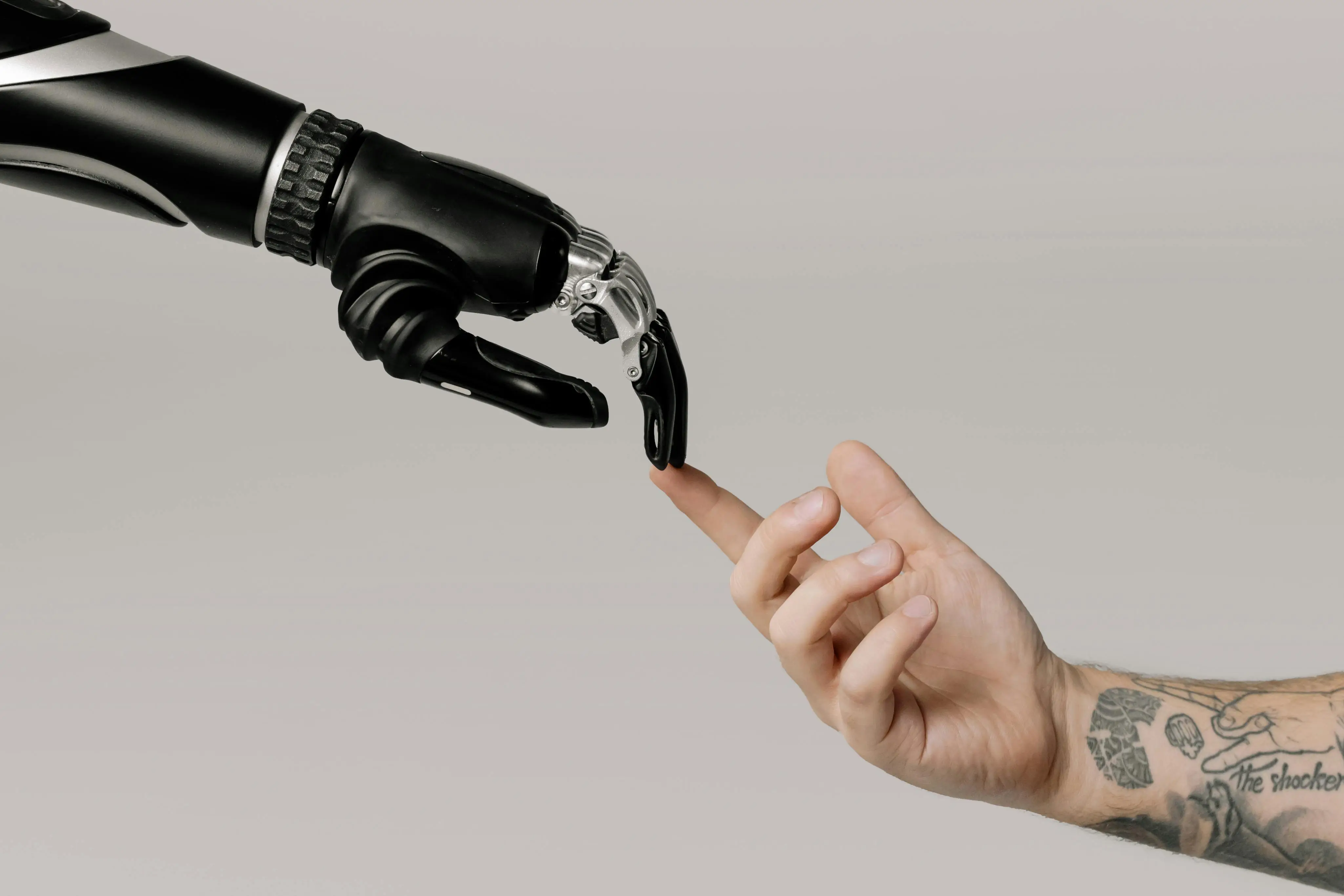
Artificial intelligence (AI) has revolutionised marketing tools, but in 2026, the focus is shifting from simply using AI to making user experiences smarter and more intuitive.
- Personalised Interactions: AI-driven UX designs analyse user behavior in real-time, enabling websites to adapt content dynamically to individual preferences. This means visitors see exactly what they need, improving engagement and conversion rates. As a result, users feel the experience is tailored just for them, boosting satisfaction.
- Predictive Navigation: Instead of static menus, websites will anticipate user needs with AI that predicts the next steps or questions visitors might have. This helps users navigate more efficiently and find relevant information faster. It reduces frustration and increases the chances of conversion.
- Automated Accessibility: AI tools will automatically optimise websites for accessibility, ensuring users with disabilities have an inclusive and frustration-free experience. This reduces the manual work needed for compliance while broadening your audience. Accessibility becomes seamless and integral to the design.
- Emotion Recognition: Future UX designs will leverage AI to detect users’ emotional states via facial expressions or interaction patterns. Content and offers can then be tailored to resonate emotionally, creating stronger connections. This deepens engagement by responding to user feelings.
- Voice and Visual Integration: Combining AI with voice and visual search capabilities will make interactions more natural, intuitive, and personalised. Users can speak or show what they’re looking for instead of typing. This enhances ease of use and accessibility.
For companies that design websites, integrating AI with UX is no longer optional, it’s essential for creating meaningful and efficient digital experiences.
Voice Search, Visual Search, and What’s Next

Consumers are increasingly relying on voice commands and visual inputs to find what they need online, and digital marketing strategies must evolve to accommodate these changes.
- Voice Search Optimization: More users are speaking to devices to perform searches, making voice-friendly content and conversational keywords a priority for SEO. Marketers need to rethink content strategy to match natural language queries. This creates opportunities to capture voice-driven traffic.
- Visual Search Growth: Platforms like Google Lens and Pinterest Lens allow users to search using images, which means businesses must optimise their visual assets and metadata. Proper tagging and high-quality visuals become crucial to appear in search results. Visual search is becoming a vital discovery tool.
- Multimodal Search: The future will see more combined searches, such as voice commands accompanied by photos, requiring integrated marketing approaches. Marketers must consider how various inputs interact and work together. This complexity offers richer opportunities for user engagement.
- Contextual Awareness: Search engines are becoming smarter about context, making content relevance and intent more critical than ever for ranking. It’s no longer about keywords alone, but also about understanding what users truly want. Content must address needs precisely.
- Augmented Reality (AR) Integration: AR will enhance visual search by letting users interact with products in 3D before buying, merging marketing with immersive technology. This adds a new experiential layer to customer journeys. It also increases confidence in purchase decisions.
Adapting to these new search behaviors helps companies that design websites craft experiences optimised not just for clicks, but for natural, human interactions.
Privacy-First Marketing: Winning Trust in a Cookie-Less World

With growing concerns about data privacy and regulations phasing out third-party cookies, marketers face new challenges to build trust while maintaining effective targeting.
- First-Party Data Focus: Collecting and leveraging first-party data directly from customers will become the backbone of personalised marketing efforts. This data is more reliable and privacy-compliant. Brands that master this will gain a competitive edge.
- Transparency and Consent: Brands must clearly communicate data usage policies and obtain explicit consent to build and maintain consumer trust. Being upfront encourages users to share data willingly. Trust grows when customers feel respected.
- Contextual Advertising: Instead of relying on personal data, contextual ads target users based on the content they’re engaging with, creating relevant and respectful marketing moments. This approach reduces privacy risks and improves user experience. It also aligns well with brand safety.
- Privacy-Enhancing Technologies: Innovations like differential privacy and federated learning allow marketers to analyse trends without compromising individual privacy. These tools enable smart targeting while protecting users. They represent the future of ethical data use.
- Building Brand Trust: Demonstrating commitment to privacy can differentiate brands in competitive markets and foster long-term loyalty. Consumers increasingly choose companies that prioritise their data rights. Privacy becomes a core part of brand identity.
Companies that design websites will need to integrate privacy-first design principles, ensuring websites and campaigns comply with evolving laws while keeping users comfortable and confident.
Authenticity Over Ads: How Brands Will Connect in 2026

As consumers grow increasingly skeptical of traditional advertising, authenticity becomes the currency of digital marketing success.
- Storytelling That Resonates: Brands will focus on authentic stories that reflect real values, struggles, and victories to build emotional connections. Genuine narratives make brands relatable. Customers remember stories that feel real.
- User-Generated Content (UGC): Leveraging content created by real customers fosters trust and shows the human side of brands, boosting credibility. UGC acts as social proof and encourages community participation. It’s a powerful tool for organic growth.
- Purpose-Driven Marketing: Brands that stand for causes aligned with their audience’s beliefs will attract stronger loyalty and advocacy. Consumers want to support businesses with values matching theirs. Purpose connects brands with like-minded customers.
- Less Sales, More Value: Marketing efforts will prioritise providing helpful, informative, or entertaining content over hard selling. This builds goodwill and positions brands as trusted advisors. Valuable content keeps audiences engaged longer.
- Engagement Over Reach: Smaller, more engaged audiences will be preferred over broad but superficial reach, leading to deeper brand relationships. Quality interactions trump quantity. Brands will invest in meaningful conversations.
For companies that design websites, crafting digital platforms that enable authentic brand storytelling and community interaction will be a key differentiator in 2026.
The Rise of Micro-Communities and Niche Influence

Micro-communities- small, highly engaged groups centered on specific interests are reshaping how brands engage online.
- Highly Targeted Marketing: Micro-communities allow brands to reach niche audiences with tailored messages, improving relevance and response rates. These audiences are more receptive to specialised content. This leads to higher conversion potential.
- Building Trust Through Interaction: Regular engagement and meaningful conversations within these communities foster stronger trust than traditional ads. Members value authenticity and transparency. Brands that listen and contribute genuinely win loyalty.
- Collaborating with Niche Influencers: Partnering with influencers who have loyal micro-community followings can amplify brand messages authentically. These influencers have deep connections with their audiences. Their endorsements carry more weight.
- Exclusive Content and Offers: Providing community-only perks encourages participation and brand advocacy. Special access makes members feel valued. It also incentivises ongoing engagement.
- Feedback Loops: Micro-communities offer direct feedback channels to quickly adapt products and marketing strategies. Brands can stay agile and customer-focused. This responsiveness drives continuous improvement.
Brands and companies that design websites must facilitate easy community-building features and integrate social engagement tools to tap into these powerful groups.
Digital marketing in 2026 will revolve around creating more human-centered, trustworthy, and personalised experiences. From AI-enhanced UX to privacy-first approaches and the power of micro-communities, companies that design websites have an exciting opportunity to lead this evolution by building smarter, authentic, and privacy-conscious digital platforms.
To stay ahead, brands need partners who understand these trends deeply and can implement them effectively. That’s where BlueCube Media comes in.
Here at BlueCube Media, we specialise in creating innovative, trend-forward websites and marketing strategies tailored for the digital landscape of tomorrow. Whether you want to integrate AI-driven UX, optimise for voice and visual search, or build engaged micro-communities, we have the expertise to bring your vision to life.
Contact us today, and let’s design the future of your digital presence smarter, more authentic, and ready for 2026.