
How to Optimise Evergreen Content for Long-Term Performance

Key Takeaways
- Evergreen content must be regularly updated to remain accurate and relevant.
- Aligning content with evolving search intent helps your site sustain long-term organic traffic.
- Internal linking strengthens your website’s SEO by connecting content pieces and core pages.
- Performance tracking and analytics enable continuous improvement in engagement and conversions.
What exactly is evergreen content? Evergreen content refers to website content that remains relevant over time by addressing topics users consistently search for. Some examples of evergreen content include guides, explainers, and foundational information articles that support long-term traffic and engagement.
However, just because content is evergreen does not mean it will continue performing well forever without maintenance. Constant changes in user behaviour, industry trends, and search expectations mean that even evergreen pages must be actively optimised and improved to continue delivering value to your site.
Optimising your evergreen content for long-term performance is a core part of any effective content strategy, particularly for businesses working with a digital marketing agency in Singapore.
Optimising evergreen content for long-term performance requires a structured approach. This includes keeping content updated, aligning it with search intent, strengthening internal links, and analysing performance data over time. When done correctly, evergreen content will continue to support visibility, engagement, and conversions well beyond its original publication date.
Keep Content Updated

Evergreen content remains valuable only when the information it contains is accurate and current. While the core topic may not change, supporting details such as statistics, examples, tools, digital marketing trends and best practices often change every year. This means that the first and foremost step to optimising your evergreen content is to make sure the information in your content is up to date.
Regularly updating your evergreen content helps to:
- Maintain your content and website’s credibility with readers
- Prevents outdated information that might reduce your readers’ trust
- Signal your content’s relevance and authority to both traditional search engines and AI search
Updating your content does not mean you need to completely rewrite it. In most cases, optimisation just involves refreshing data and statistics, replacing any outdated references, and adjusting examples and case studies to reflect current practices. This ensures that your content remains aligned with the latest updated information while preserving its original purpose.
Updated evergreen content performs more consistently than articles that are out of date, as it continues to serve its purpose to readers with the latest information they need.
Optimise for Search Intent

Search intent refers to what users are actually looking for when they enter a query. Are they looking to solve a problem, or looking for answers to some questions they have? Naturally, this means that users’ search intent evolves as their expectations, tools, and behaviours change over time.
Optimising evergreen content for long-term performance should be done by ensuring that it continues to align with how and why users search for a topic, not just focusing on the keywords they use for the search query. This involves reviewing whether the content:
- Fully answers common questions users have
- Matches the level of detail that users expect
- Reflects your users’ current needs and expectations
As your users’ search intent changes, you may need to restructure your evergreen content instead of expanding it. Taking steps like updating headings, expanding and elaborating some body points, or adding additional context to your information can help make sure that your content remains relevant without changing its core message.
By consistently aligning your evergreen content with user intent, your business can maintain a steady flow of organic traffic even as your users’ search behaviour changes.
Use Internal Linking

Internal linking refers to the practice of linking from one page on your website to another, usually through hyperlinking specific text so that clicking on it brings users to a related page or article.
Internal linking plays an important role in strengthening the long-term performance of your evergreen content. It helps your users navigate related information and provides search engines with context about how your different pieces of content are connected, both to each other and to other pages of your site.
An effective internal linking strategy involves:
- Linking your evergreen content to newer, related articles
- Connecting supporting content back to core webpages
- Using pillar pages to organise related topics logically
- Using appropriate CTAs that guide readers toward conversion actions
Evergreen content often serves as a reference point within a website’s content structure. Linking it to newer content helps improve visibility to those newer articles and reinforces their topical relevance, while linking back to your site’s core webpages ensures that your evergreen content remains a central part within the site.
At the same time, embedding the right CTAs ensures that your evergreen content can improve both user navigation and lead conversions on your website. One example of this can be by linking to a contact form or another page, so users can enquire about your services, sign up for a monthly newsletter, or download a resource on your site, and so on.
This interconnected structure strengthens your site’s SEO while improving user navigation by helping visitors move naturally through related topics.
Track and Analyse Performance
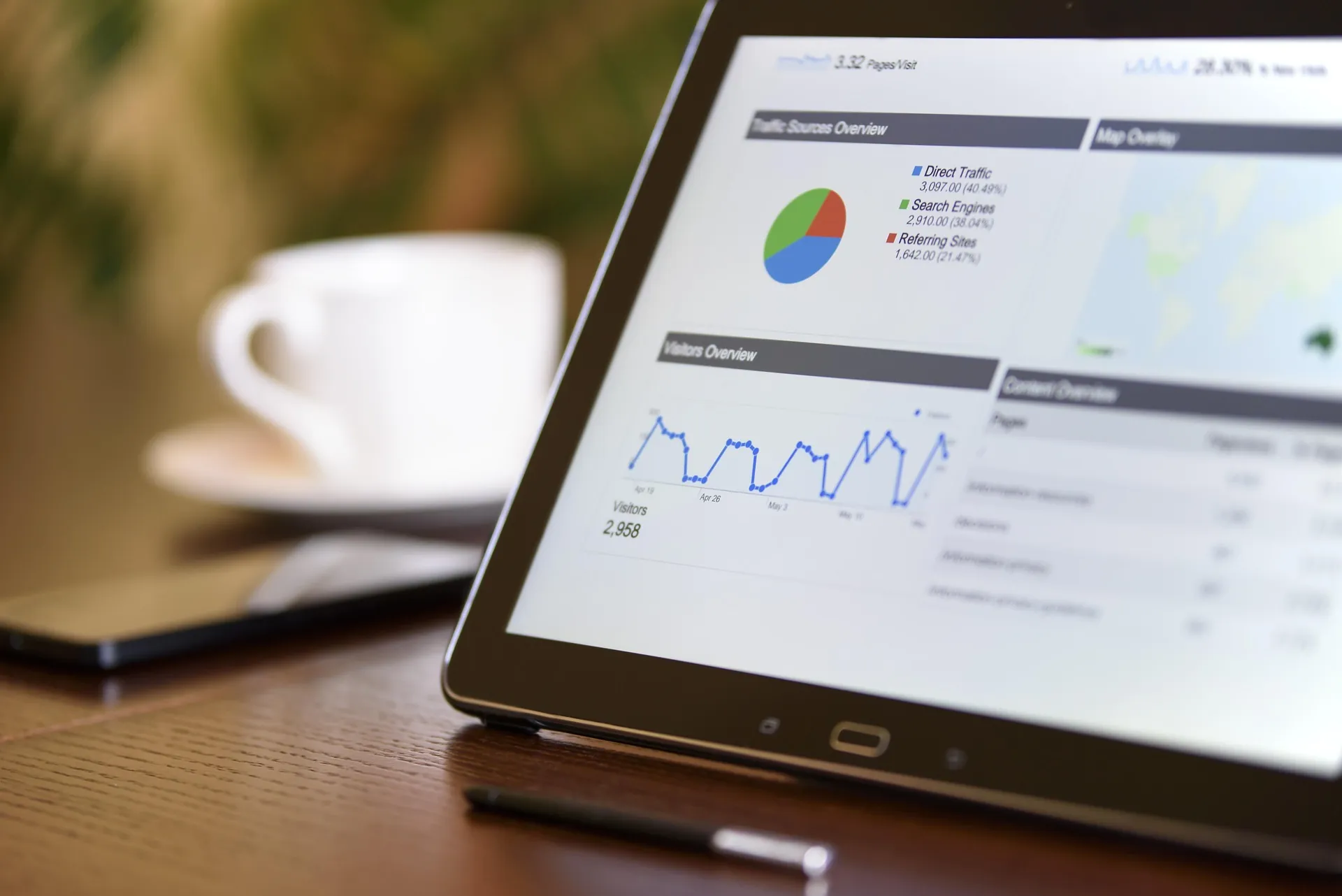
Another important way to optimise your evergreen content is by monitoring it and making sure it performs as intended. Understanding analytics can provide insight into how users interact with content and where improvements can be made.
Some key performance indicators for your evergreen content include:
- Traffic trends over time
- Engagement metrics such as time on page
- Click-through rates on internal links
- Conversion rates and CTA performance
Tracking metrics like these can help you identify when your evergreen content requires updates or optimisation. For example, declining engagement may indicate that some sections need clarification, while low conversion rates may suggest that your CTAs no longer align with user intent.
Using the right data to guide your updates can help you ensure that your evergreen content continues to evolve based on real user behaviour and needs, instead of just assumptions.
Optimising evergreen content for long-term performance is an ongoing, long-term process, not just a one-time task. By keeping your evergreen content updated, aligning it with evolving search intent, strengthening internal linking, and analysing performance data, you can ensure that your evergreen content remains effective over time.
When you take a structured approach to optimising and maintaining your evergreen content, it allows that content to continue supporting important metrics like visibility, engagement, and conversions long after it is first published.
If you’re looking to improve the long-term performance of your website content, contact us at BlueCube Media to explore how our digital marketing services can support your goals. Work with an experienced digital marketing agency in Singapore that uses a structured content strategy to drive your digital marketing success.
FAQs for Optimising Evergreen Content
1. What is evergreen content?
Evergreen content is content that remains relevant over time and continues attracting traffic long after publication, like guides and explainers (what is, how to, etc). When supported by a structured content strategy, it drives sustained SEO visibility and long-term website performance.
2. How does a content strategy improve evergreen content?
A structured content strategy, supported by the right digital marketing services, ensures evergreen content is updated regularly, aligned with search intent, and internally linked to key pages. This structured approach helps maintain rankings, engagement, and conversions over time.
3. How does website structure impact evergreen content performance?
Website structure plays a key role in how evergreen content performs. A clear hierarchy, logical internal linking, and strong technical foundations help search engines understand content relationships and improve visibility. Many businesses work with a digital marketing agency in Singapore to ensure their website structure supports long-term content strategy and marketing goals.
4. How often should evergreen content be updated?
Evergreen content should be reviewed every 3–6 months to ensure statistics, examples, and industry references remain accurate. For fast-moving industries like a digital marketing agency or web design and development in Singapore, quarterly updates help maintain authority and search visibility.
5. Can evergreen content increase conversions?
Yes. When integrated into a clear content strategy while supported by relevant CTAs, evergreen content can guide users toward relevant digital marketing services and significantly improve conversion performance.